Extract Ventilation
Fresh Air, Automatically
These systems detect moisture and stale air and remove them automatically — keeping your home comfortable without you having to think about it.
How Demand Control Ventilation Works
Standard extract fans run on timers or switches, which means they often run too little (causing damp) or too much (wasting heat). DCV systems sense moisture and air quality and adjust automatically, room by room, matching your home's needs and usage.Centralised Continuous Extract
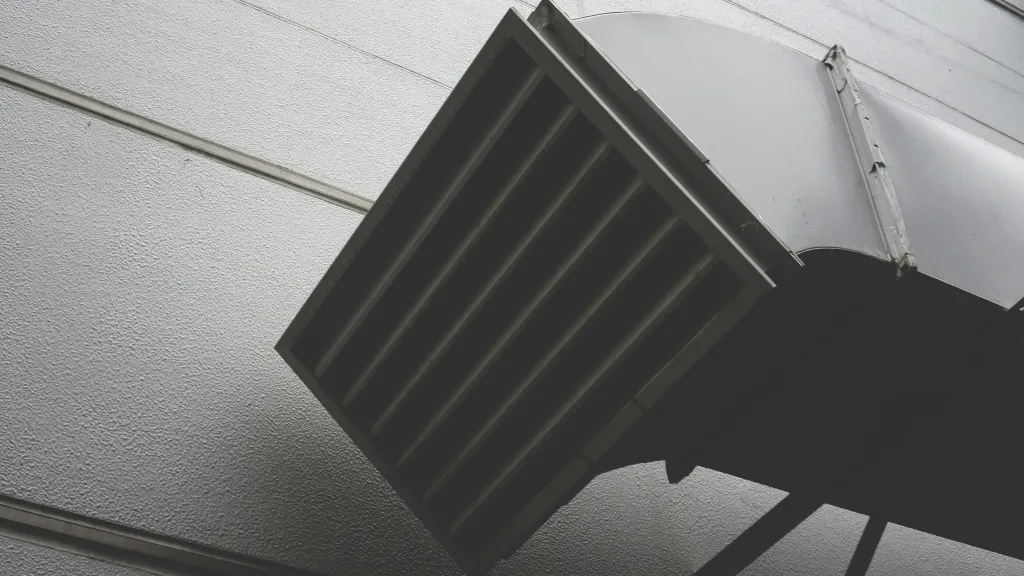
Unlike standard wall fans, centralised MEV extracts stale air continuously from all wet rooms via a single, highly efficient central fan located in a loft or cupboard.
Smart Humidity Control
DCV grilles adjust their aperture based on moisture in the room. When you shower or cook, the grilles open and the central fan ramps up automatically, returning to a silent whisper mode once dry.
Simplified Installation
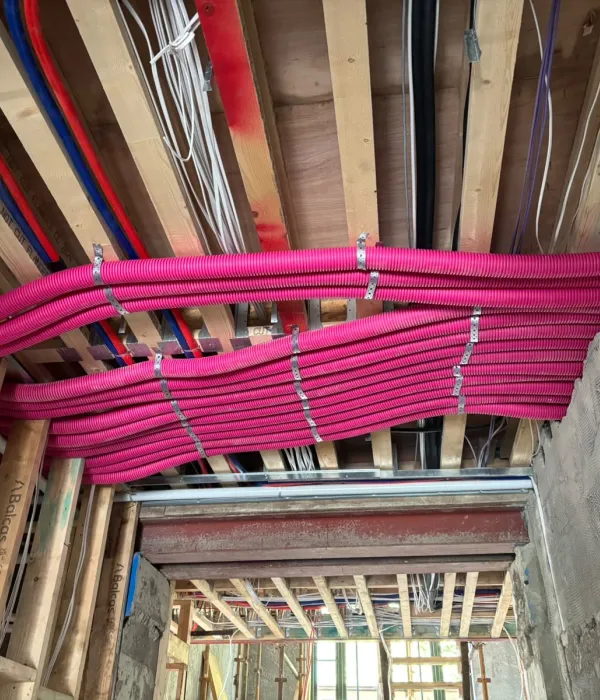
With no requirement for incoming supply air ducting (fresh air enters naturally through pressure-balanced window vents or wall vents), DCV is highly cost-effective and suited to retrofits.
Key Benefits
Benefits of Extract Ventilation
A practical, affordable upgrade for home renovations and retrofits across Ireland.
Energy-Smart Extraction
Saves heating energy by extracting only when relative humidity is high, ensuring warm indoor air is not needlessly pulled outside.
Whisper Silent Performance
The extraction fan is situated far away from bedrooms (usually in an attic) with duct silencers, providing continuous silent operation.
No Bulky Ducting in Living Rooms
Ducts are only required from wet rooms (kitchen, bathroom) back to the central unit. Living spaces do not require any supply ductwork.
Combats High Indoor Moisture
Actively monitors humidity. As damp air builds up in bathrooms or kitchens, the sensors respond instantly, protecting your drywall and paint.
Perfect for Renovation Budgets
Far less disruptive to install compared to double-ducted MVHR, offering a superior balance of price, performance, and air quality.
Hassle-Free Operation
Completely autonomous. No control buttons, apps, or configurations needed; humidity-responsive elements function mechanical-hygro automatically.
FAQs
Common Questions
Answers to common questions about extract and demand control ventilation.
What is the difference between MEV and DCV?
MEV refers to a centralized mechanical extract system that extracts continuously at a low rate. DCV goes a step further by using humidity-sensitive sensors and smart grilles to vary the extraction rate dynamically based on occupancy and localized humidity levels.
Does a DCV system require wall/window vents?
Yes. Because DCV only handles air extraction, fresh replacement air must enter the dry rooms (living rooms, bedrooms). This is typically achieved using high-quality acoustic trickle vents in your windows, preventing external sound from entering while maintaining airflow.
How long does a retrofit installation take?
A standard residential retrofit or extension installation typically takes between 1 to 2 days, depending on access to attics and ceiling voids for running the simple wet room extract ductwork.
Are DCV systems energy-efficient?
Yes, they use low-wattage DC fan motors that consume negligible electricity. By ramping down to a very low extraction rate when your home is empty or dry, they prevent heat loss, saving substantial money on heating bills.
Ready to Get Started?
Tell us about your home and we'll advise the best system for you.